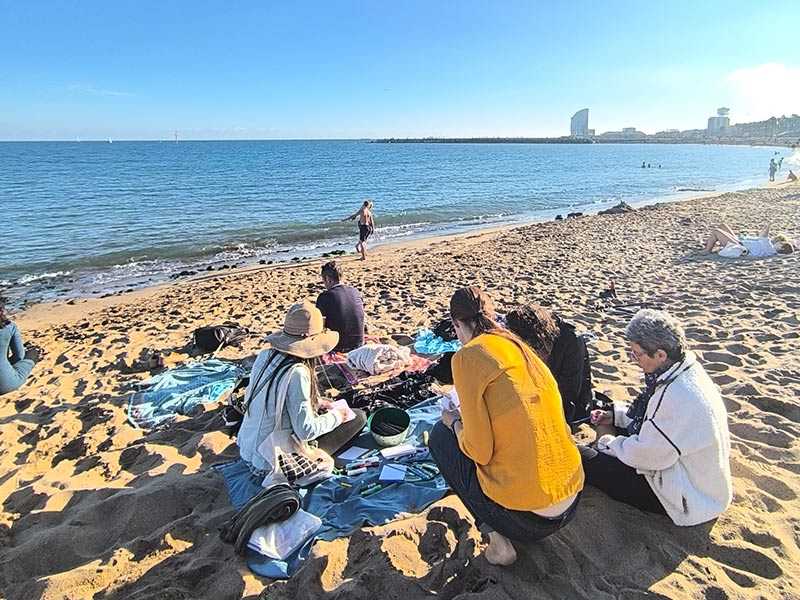
Bringing nature and health together in Barcelona
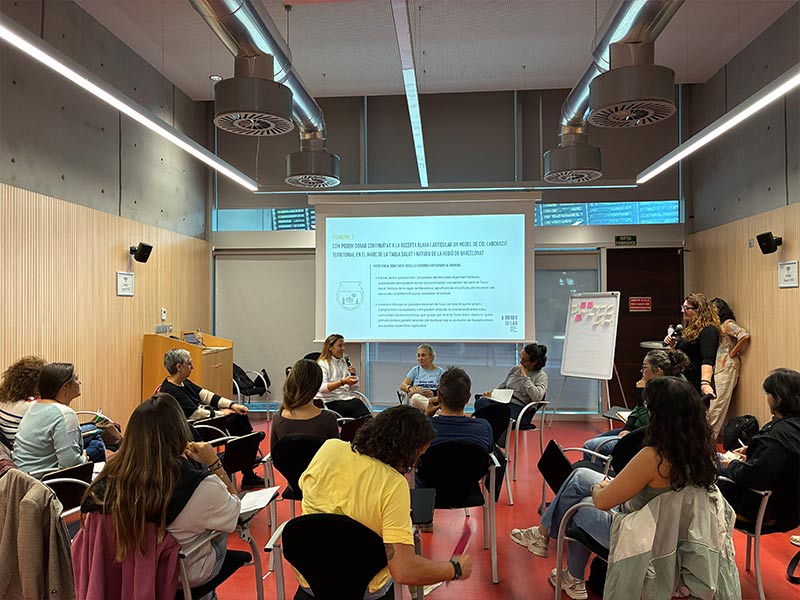
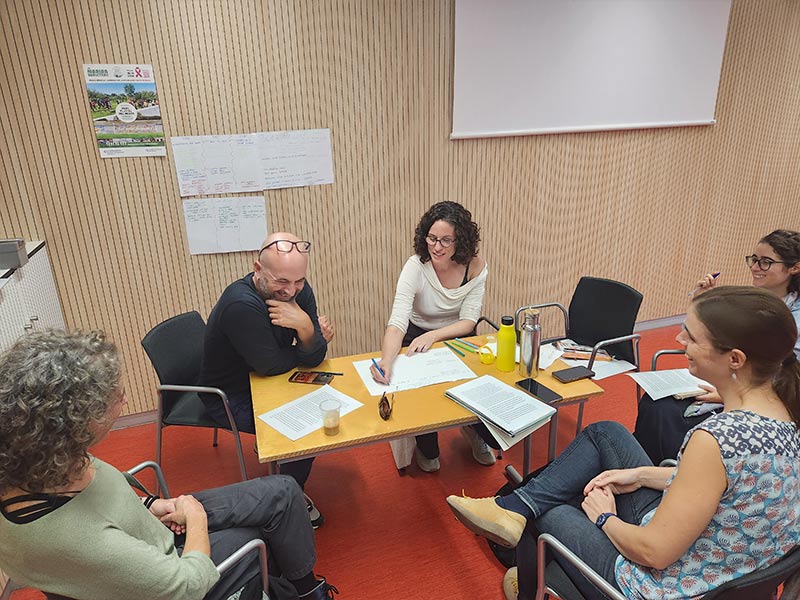
How can nature become part of everyday healthcare? In Barcelona, 120 participants came together to explore just that, combining research, practical experience and cross-sector perspectives to help take nature-based approaches beyond RESONATE.
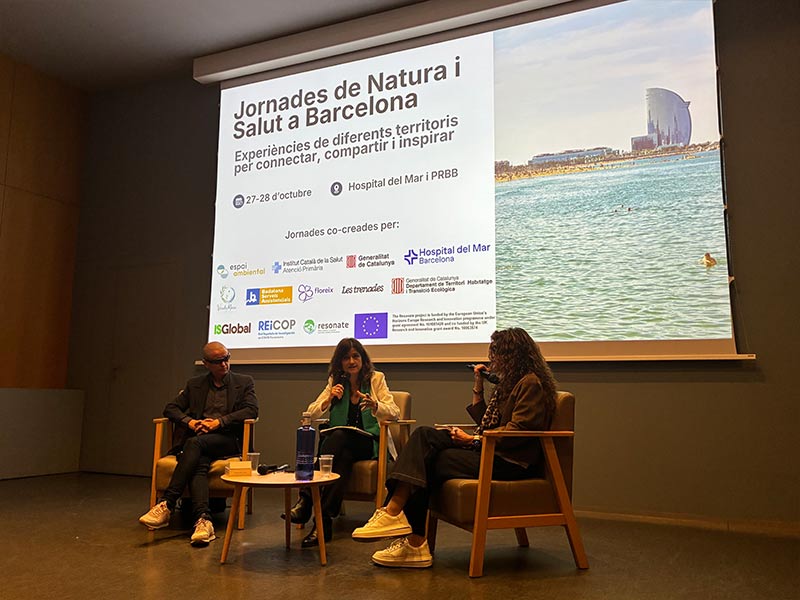
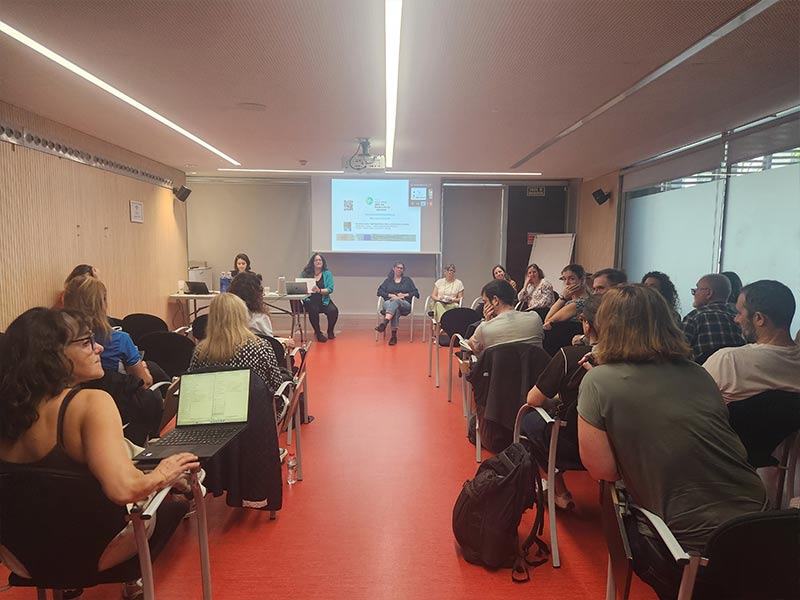
Held on 27–28 October 2026 at Hospital del Mar and the Barcelona Biomedical Research Park (PRBB), Jornades de Natura i Salut gathered participants from healthcare, research, public administration, environmental organisations and community initiatives.
The programme was co-created by ten organisations involved in the Barcelona Resilience Hub, reflecting the Hub’s collaborative approach to connecting different sectors around nature and health.
From evidence to experience
How can evidence on nature and health translate into real-world practice? The programme explored this question through research, discussion and first-hand experience.
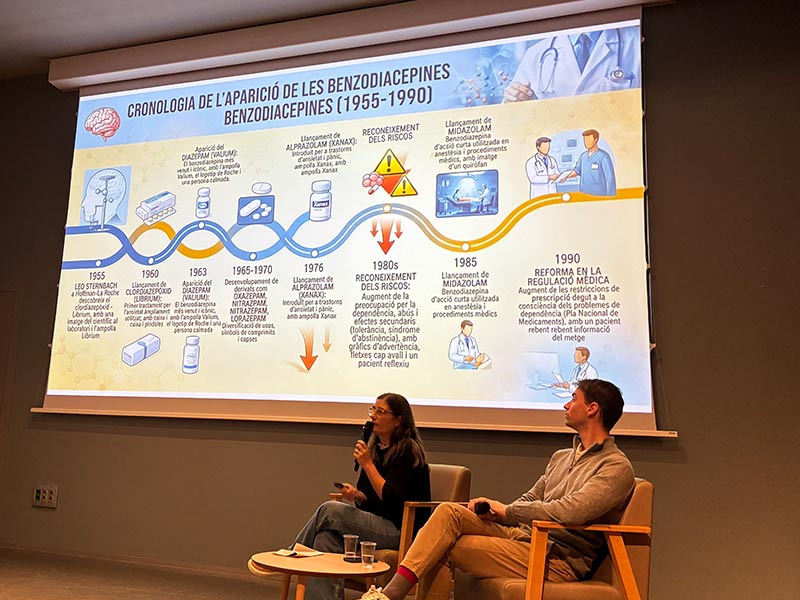
Silvia Gili introduced an ecosocial perspective on our relationship with nature, emphasising the interdependence of human and ecological systems. Dra. Laura Illamola explored nature-based interventions and social prescribing as non-pharmacological approaches for people experiencing psychosocial distress.
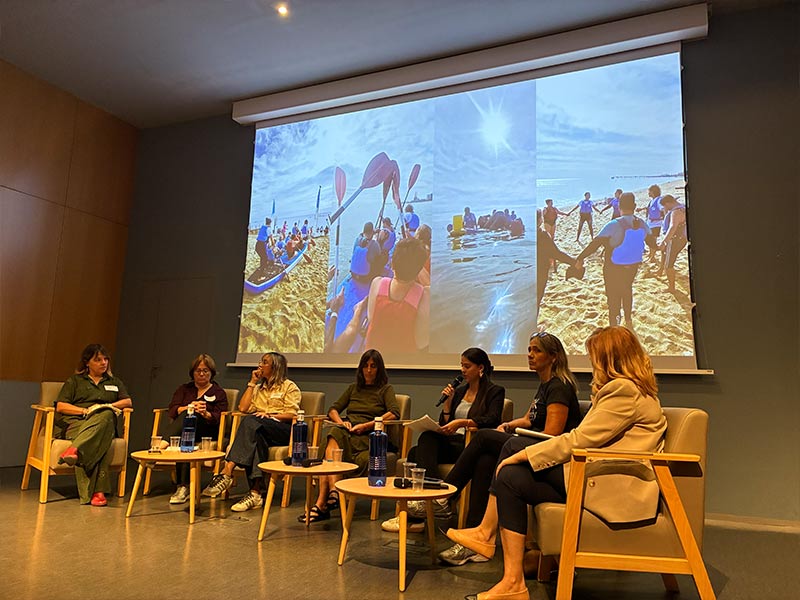
A roundtable organized by Espai Ambiental Cooperativa also covered migration and belonging, focusing on how nature-based approaches can help migrants connect with local landscapes and communities.
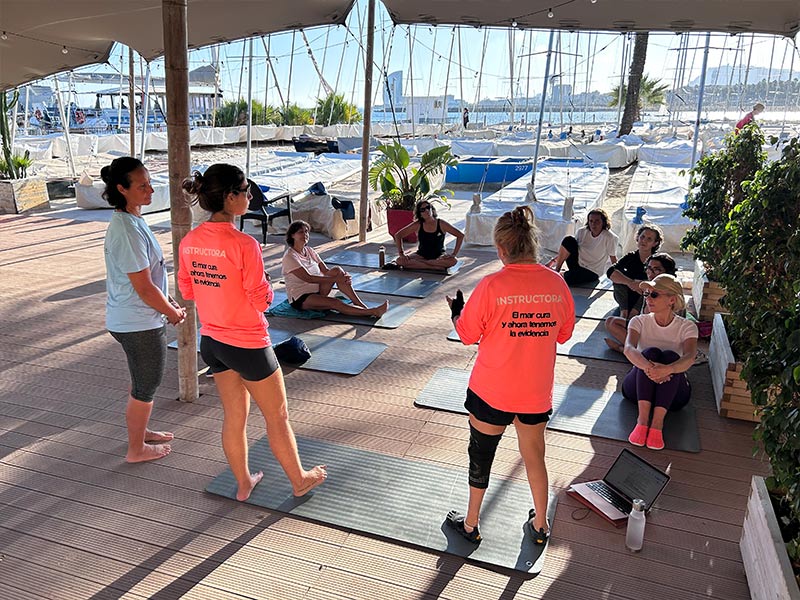
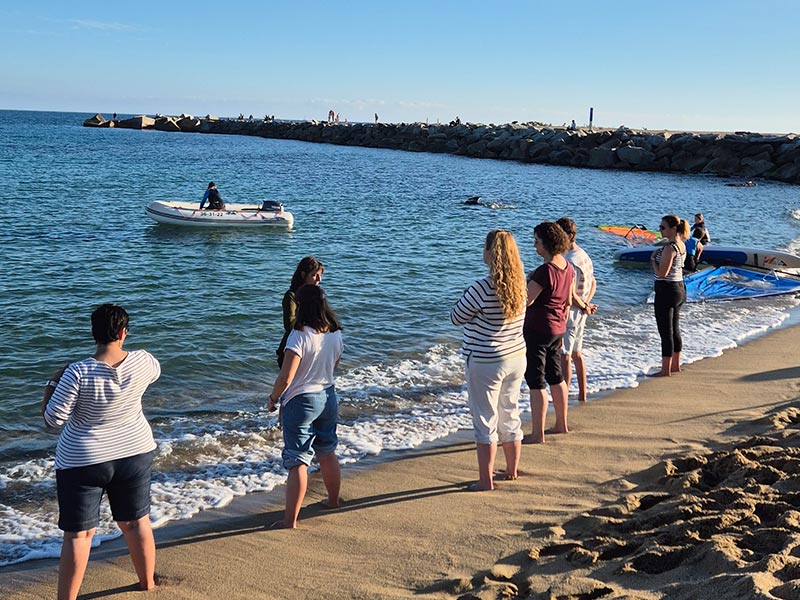
Participants experienced some of these approaches first-hand through activities including therapeutic stand-up paddleboarding, mindfulness and different ways of connecting with coastal environments.
Three key insights
1. Cross-sector collaboration is essential
Closer collaboration between healthcare services, community organisations and public administrations is needed to make nature-based approaches part of routine healthcare and community practice.
2. Access to nature is also an equity issue
Opportunities to access and benefit from green and blue spaces are not equally distributed. Socioeconomic circumstances, geography and accessibility can create barriers, making equity an important consideration when developing nature-based interventions.
3. Evidence alone is not enough
Evidence of the health benefits of nature continues to grow, but translating it into practice requires professional training, sustainable resources, institutional commitment and stronger connections between healthcare and community initiatives.
What comes next?
Based on discussions during the summit, blue nature-based interventions and blue prescribing emerged as a key priority, something that will be discussed further at future meetings. As RESONATE concludes, the Hub is exploring how its work could continue through Taula de Salut I Natura, an established local platform for nature and health.
The Hub will meet again on 3 December to reflect on its achievements and explore what comes next.
Participating organisations